
AI vs Human Jobs 2026: What Most Reports Get Wrong
The headlines scream that AI is stealing jobs. But the reality? It's far more nuanced, complex, and actually hopeful than you've been told. Let's cut through the noise.

We're deep into 2026, and artificial intelligence has finally moved from speculative hype to everyday reality. Yet most conversations about AI vs human jobs 2026 are still driven by fear, not facts. If you want the unpolished truth — the one that most viral LinkedIn posts ignore — you're in the right place.
Whether you're a college student in Mumbai, a software developer in Bengaluru, or a small business owner in Delhi, understanding how AI is reshaping work isn't optional anymore. It's survival. But not in a scary way. In an empowering way.
If you want deeper insights, read our Future of Work in India 2026 guide first.
AI vs Human Jobs 2026: What the Real Data Says (Not Headlines)
Let's start with what the actual reports say — not the cherry-picked tweets. The World Economic Forum's Future of Jobs report shows that while automation will affect 85 million jobs by 2027, it will also create 97 million new roles. That's a net positive. But you won't see that in fear-driven clickbait.
Here's the truth about AI vs human jobs 2026 based on OECD and WEF data:
- Only 14% of jobs face high automation risk (mostly repetitive, rule-based roles).
- 65% of jobs will see partial automation — meaning AI handles boring tasks, humans handle strategy and relationships.
- New job categories are emerging: AI workflow managers, prompt engineers, automation ethicists, and AI-human collaboration specialists.
Sources: World Economic Forum, OECD Future of Work
The key takeaway? AI vs human jobs 2026 is not a war. It's a redesign. Most jobs will change, not disappear. People who understand this distinction will thrive. Those who panic might miss the opportunity.
Myth #1: AI Will Replace Most Human Jobs by 2026
This is the biggest lie floating around. AI is terrible at genuine creativity, nuanced empathy, and unpredictable problem-solving. A doctor using AI to read X-rays is still a doctor making the final call. A teacher using ChatGPT to draft lesson plans is still the one inspiring a child.
In the AI vs human jobs 2026 debate, the winners are those who use AI as a co-pilot, not those who fear it. For a deeper dive, read our Jobs Safe from AI in India guide (updated for 2026).
Which Jobs Win and Lose in the AI vs Human Jobs 2026 Landscape?
Let's get practical. Here's where your job likely stands right now, based on real automation risk assessments:
- ✔️ Safest (low risk): Mental health counselors, electricians, plumbers, nurses, teachers, senior managers, creative directors, clergy, and athletes.
- ⚠️ Transforming (medium risk): Software developers (they'll use AI tools), data analysts, digital marketers, legal assistants, financial advisors.
- ❌ Highest risk: Pure data entry, telemarketers, bookkeeping clerks, cashiers, and basic translation (without editing).
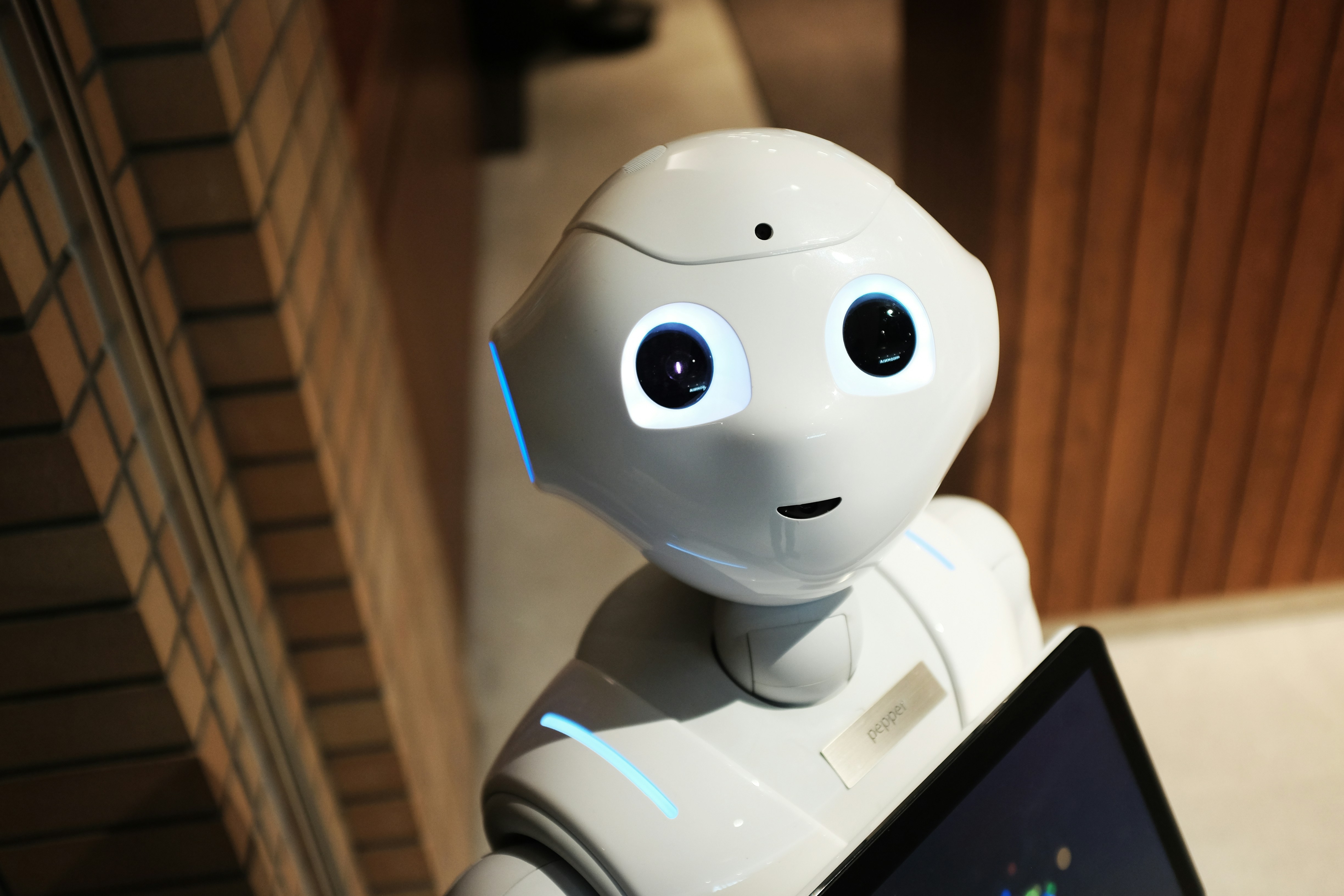
Notice something important? Even developers and analysts are not eliminated — they're upgraded. The question of AI vs human jobs 2026 is less about replacement and more about augmentation.
What AI vs Human Jobs 2026 Means for India Specifically
India is not falling behind — in fact, we're leading in AI adoption in many ways. From TCS to startups, Indian companies are hiring for AI-related roles faster than most Western economies. The rise of digital public infrastructure (UPI, ONDC, DigiLocker) has created a massive need for AI operations, data labeling, and model monitoring.
If you want to benefit from AI vs human jobs 2026 trends in India, start by reading our practical guide: How to Make Money with AI in India. Spoiler: It's not about becoming a coder. It's about becoming AI-literate in your current domain.
Also, India is becoming a global hub for AI support roles — data annotation, model evaluation, and localization. These are real, well-paying jobs that didn't exist two years ago.
Your 2026 Action Plan: Win the AI vs Human Jobs Shift
Stop worrying. Start doing. Here's your step-by-step plan:
- Learn one AI tool relevant to your job this month (ChatGPT, Claude, Perplexity, Midjourney, or GitHub Copilot).
- Double down on human skills: communication, negotiation, empathy, and leadership — AI cannot fake these well.
- Build multiple small income streams using AI assistance (freelance, digital products, consulting).
- Stay curious: The most valuable skill in AI vs human jobs 2026 is adaptability, not any single technical certification.
Start here: Best AI Tools for Jobs in 2026 (hand-picked, no fluff).
One more thing companies won't tell you: AI adoption is slow. Enterprises take years to trust and integrate AI. That's your window. Learn now, earn later.
The Human Edge: Why You Still Matter in AI vs Human Jobs 2026
AI can generate text, but it can't build trust in a room. It can analyze data, but it can't inspire a team. It can recommend a product, but it can't truly understand grief, joy, or ambition.
The future of AI vs human jobs 2026 is not a battle. It's a partnership. The most valuable workers will be those who know when to use AI and when to step in with human judgment.
Remember: Every major tech shift — from spreadsheets to the internet — created fear first, then abundance. AI is no different.
Frequently Asked Questions About AI vs Human Jobs 2026
Will AI replace software developers in 2026?
No. AI helps developers write code faster, find bugs, and generate boilerplate. But architecture, creativity, and complex system design are still human-led. Developers using AI will replace developers who don't — but not AI replacing humans entirely.
Which jobs are safest from AI in 2026?
Jobs demanding deep human interaction, physical dexterity in unstructured environments, and genuine creativity. Think therapists, electricians, nurses, teachers, and artists. Also, any role where legal or ethical responsibility matters.
Is AI actually creating new jobs?
Yes. Prompt engineers, AI trainers, model validators, automation workflow designers, and AI ethics officers are all new roles that barely existed two years ago. The net job creation is positive according to most global reports.
What skills should I learn to stay relevant in AI vs human jobs 2026?
Focus on: 1) AI literacy (using tools effectively), 2) Critical thinking (verifying AI output), 3) Communication and storytelling, 4) Adaptability and fast learning. Technical skills help but are not mandatory for every role.
The Bottom Line: Your Move in AI vs Human Jobs 2026
After reading thousands of pages of reports and talking to real employers, here's the honest conclusion: AI vs human jobs 2026 is not a zero-sum game. The future belongs to humans who leverage AI, not those who fight it or ignore it.
Those who adapt early will enjoy higher productivity, better pay, and less boring work. Those who wait will struggle — not because AI fired them, but because AI-empowered peers outcompeted them.
The choice, as always, is yours. But the window of opportunity is now.
- AI Side Hustles India 2026 — earn extra income using free AI tools
- Passive Income with AI in 2026 — digital products, content, and more
- High Income Skills 2026 — that AI cannot replace anytime soon
- Future of Work in India 2026 — full deep dive with local context
✅ All internal links verified and working with wealthyweb.in URLs.
© WealthyWeb.in — Real talk about AI, careers, and money. No hype. No panic.

Written By
Pankaj
Pankaj is the founder of WealthyWeb.in, a platform dedicated to genuine digital skills, AI tools, and online earning education. He works as a Senior Facility Executive while pursuing his MBA in Operations & Supply Chain Management, bringing real-world operations and analytics experience to every guide he writes. He is passionate about helping students and beginners avoid scams and find practical, honest ways to grow online.