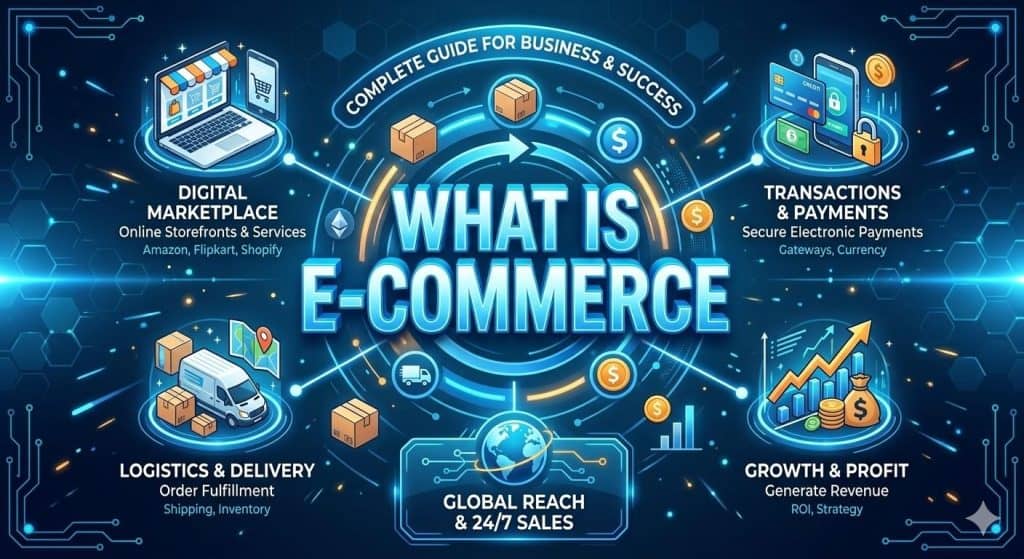
What is E-commerce? (Beyond the Basics)
At its simplest, e-commerce is the buying and selling of goods or services using the internet. However, it is much more than just a transaction. It is a complex ecosystem involving digital marketing, secure payment gateways, supply chain management, and customer psychology.
The Evolution of Wealthywebhub
The journey of Wealthywebhub is a perfect case study in e-commerce adaptability. The brand started as a digital resource—a blog focused on high-income skills, financial growth, and digital earning strategies. But the true power of e-commerce was realized when the platform transitioned from talking about earning to actively selling.
By launching a line of physical products, such as premium ceramic planters, Wealthywebhub demonstrated that a digital audience could be converted into a loyal customer base for physical goods.
The Step-by-Step E-commerce Process
Building an online business is like building a house; you need a solid foundation before you can paint the walls.
1. Niche Selection and Market Research
You cannot sell everything to everyone. The most successful e-commerce ventures solve a specific problem or cater to a specific aesthetic.
2. Sourcing and Inventory
You must decide how you will get your products.
Manufacturing: Creating products from scratch.
Wholesale: Buying in bulk and reselling.
Dropshipping: Selling items that are shipped directly from the supplier to the customer.
Nursery Management: In the case of Wealthywebhub, the brand leverages its own nursery expertise to provide high-quality ceramic solutions that complement plant health.
3. Choosing Your Sales Channel
Where will your customers find you?
Marketplaces: Platforms like Flipkart or Amazon provide massive traffic but charge commission fees.
Independent Storefront: Using Wealthyweb.in (built on WordPress/Astra/WooCommerce) allows for full control over the brand and higher profit margins.
4. Listing and Optimization (SEO)
Listing a product is an art. It requires:
High-Quality Visuals: Multiple angles and lifestyle shots.
Technical Accuracy: Correct dimensions, weight, and material (e.g., Ceramic).
Search Keywords: Using terms like “Modern Planter” or “Indoor Pots” to ensure the product appears when customers search.
The Benefits: Why Go Digital?
E-commerce offers advantages that a traditional “brick-and-mortar” shop simply cannot match:
Global Reach: A physical shop in Haryana can only serve locals. An e-commerce site can sell to a customer in Bangalore or Mumbai instantly.
Lower Overheads: You save on rent, electricity, and shop staff. Most of your budget can go into product quality and marketing.
Personalization: With AI and data, you can recommend products based on a customer’s past behavior, making them more likely to buy again.
Generating Profit: The Math of Success
Profit in e-commerce isn’t just about high prices; it’s about smart margins.
The Formula:
$$(Selling Price) – (Cost of Goods + Shipping + Packaging + Platform Fees) = Net Profit$$
Example for Wealthywebhub:
To increase profit, you can use Upselling (selling a set of 3 instead of 1) or Cross-selling (suggesting plant fertilizer along with the pot).
Explore These :
FAQ: Common E-commerce Questions
Q: Do I need a huge investment to start?
A: No. You can start with a small inventory or even dropshipping. Wealthywebhub started with a blog and grew into physical products gradually.
Q: Is GST mandatory?
A: To sell on marketplaces like Flipkart or Amazon, a GST number is generally required. However, for a small personal blog selling services, requirements may vary.
Q: How do I handle broken items (Fragile items like Ceramic)?
A: Packaging is key. Use double-layered bubble wrap and corrugated boxes. Always mark your shipment as “Fragile” in the seller dashboard to ensure careful handling by the courier.
Q: How long does it take to see profit?
A: E-commerce is a marathon. Once your “Quality Check” (QC) is approved and your listings go live, it can take a few weeks for the algorithm to start showing your products to the right people.